
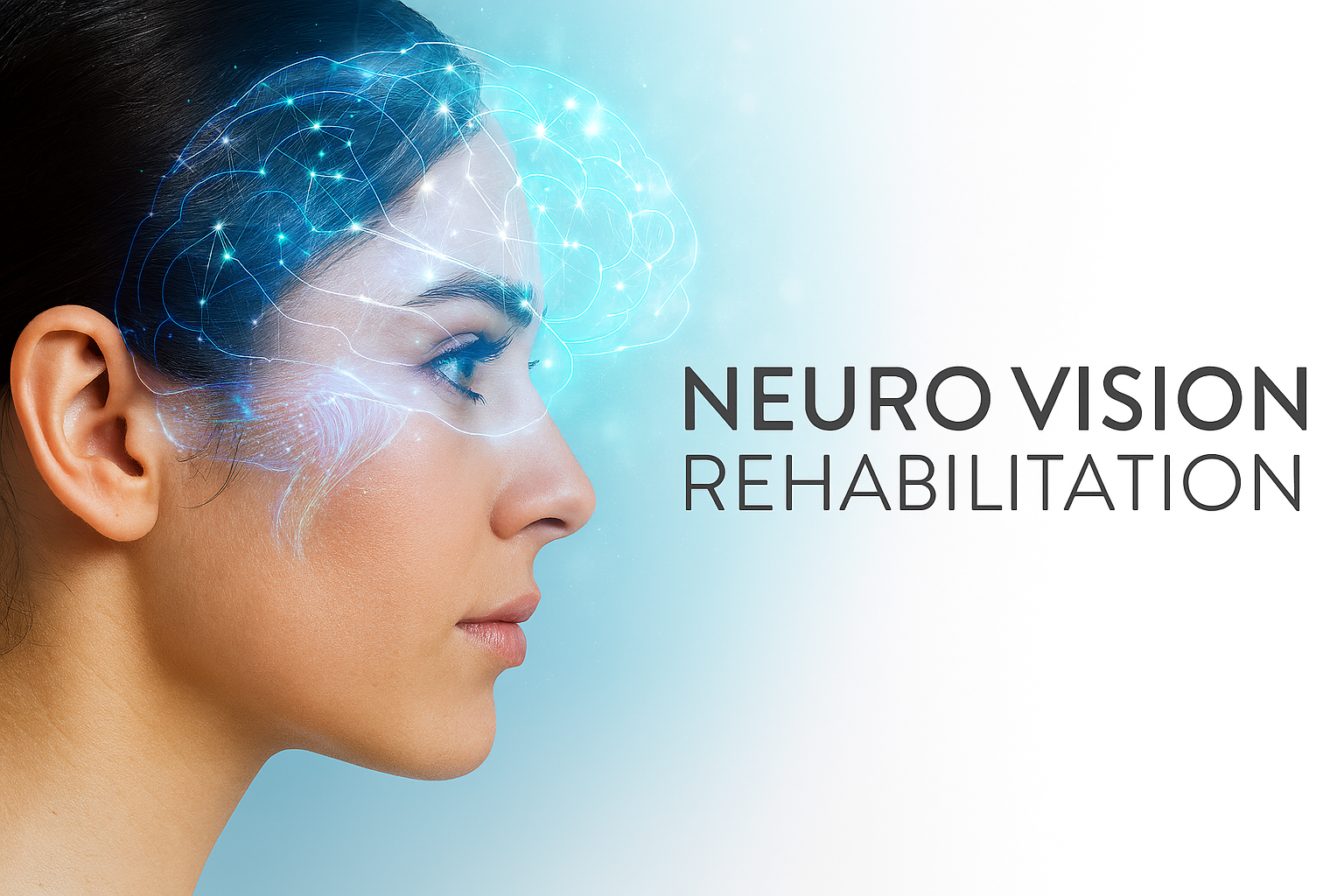
Restoring vision through cutting-edge therapies
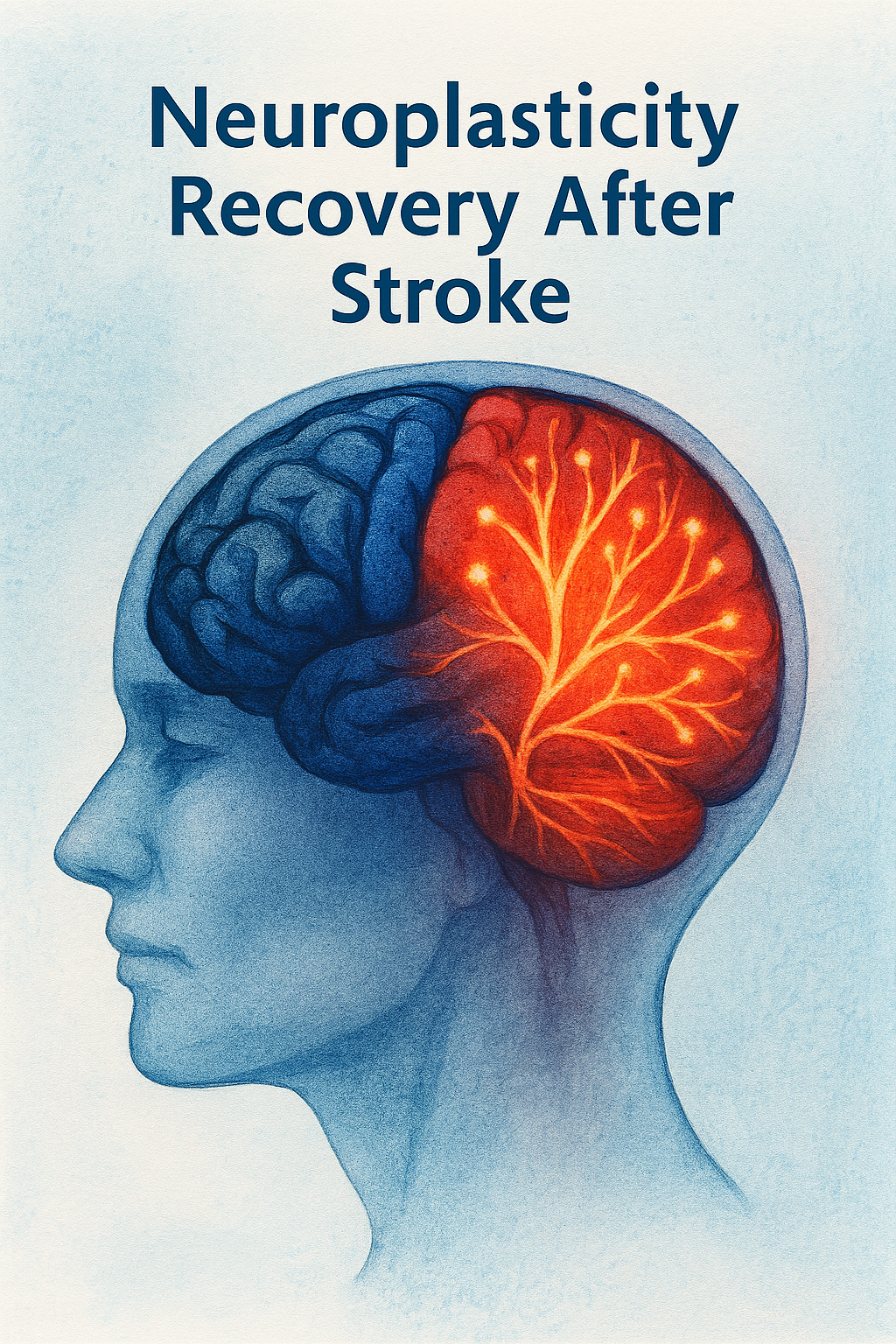
Neuro-Vision Rehabilitation
After a stroke, many individuals experience changes in their vision due to damage in the parts of the brain responsible for processing visual information. These changes can vary widely depending on the location and severity of the stroke. Common post-stroke vision problems include:
Visual Field Loss: Partial or complete loss of vision in one or both eyes, often presenting as hemianopia (loss of half the visual field). Patients may have difficulty seeing objects on one side, leading to challenges with mobility and daily tasks.
Double Vision (Diplopia): Damage to the nerves controlling eye muscles can cause misalignment, resulting in double vision. This can affect depth perception and coordination.
Blurred Vision: Stroke-related swelling or damage can cause overall blurring, making it hard to focus on objects both near and far.
Eye Movement Disorders: Difficulty in controlling eye movements can occur, leading to problems with tracking moving objects or keeping eyes steady.
Visual Perceptual Disorders: Even with healthy eyes, the brain may have trouble interpreting visual information, causing issues such as difficulty recognizing faces, reading, or judging distances.
Fusion and focusing can be problematic when developmental issues interfere with the normal maturation of visual pathways. Inadequate development of binocular vision may lead to difficulties in maintaining single, clear images, resulting in symptoms such as eye strain, double vision, or reduced depth perception. These challenges can hinder reading, coordination, and overall visual comfort. Addressing developmental delays early is essential to improve fusion and focusing abilities.
Neuro-vision rehabilitation is a highly specialized and targeted treatment designed to enhance the brain's capacity to effectively process and interpret visual information. Through a series of carefully selected exercises and activities, this therapy works to improve critical visual skills including eye tracking, focusing ability, coordination, and the speed at which visual information is processed. It is especially beneficial for individuals experiencing visual difficulties due to neurological conditions, developmental delays, or traumatic injuries. By strengthening these visual functions, neuro-vision therapy supports better overall visual performance and can significantly improve quality of life and daily functioning.
Tailored to rebuild and enhance visual function after neurological injury. See the difference expert care makes—retrain your brain, reclaim your vision.

“I came to Rockwood Eyecare after experiencing a stroke that left me with double vision.… Today (18 months post-stroke) I have fused vision that continues to improve as I embrace the tools, education, and techniques that Rockwood Eyecare provided me.
What a gift to have my vision almost 100% recovered.”
— Pete B.